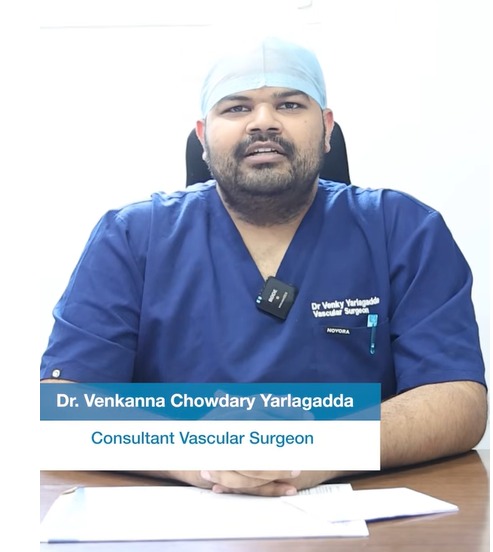
Dr. Venkanna Chowdary Yarlagadda is a Hyderabad-based vascular and endovascular surgeon specializing in advanced vascular and limb-salvage care. Book Appointment
Doctors Vision

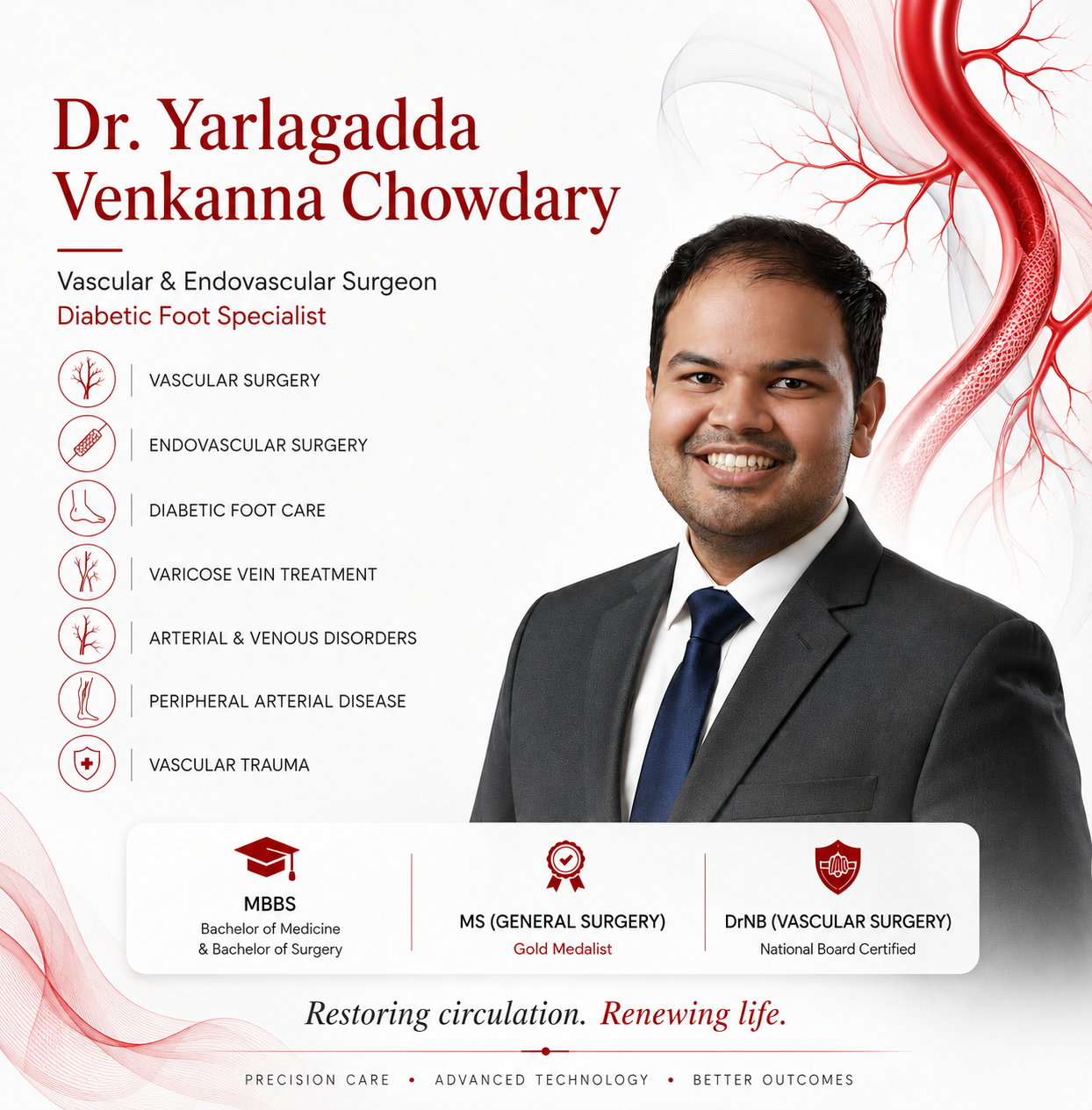
Vascular health is integral to maintaining healthy circulation, mobility, and overall quality of life. As a Consultant in Vascular and Endovascular Surgery, my approach is focused on accurate diagnosis, evidence-based treatment, and individualized management of arterial and venous disorders.


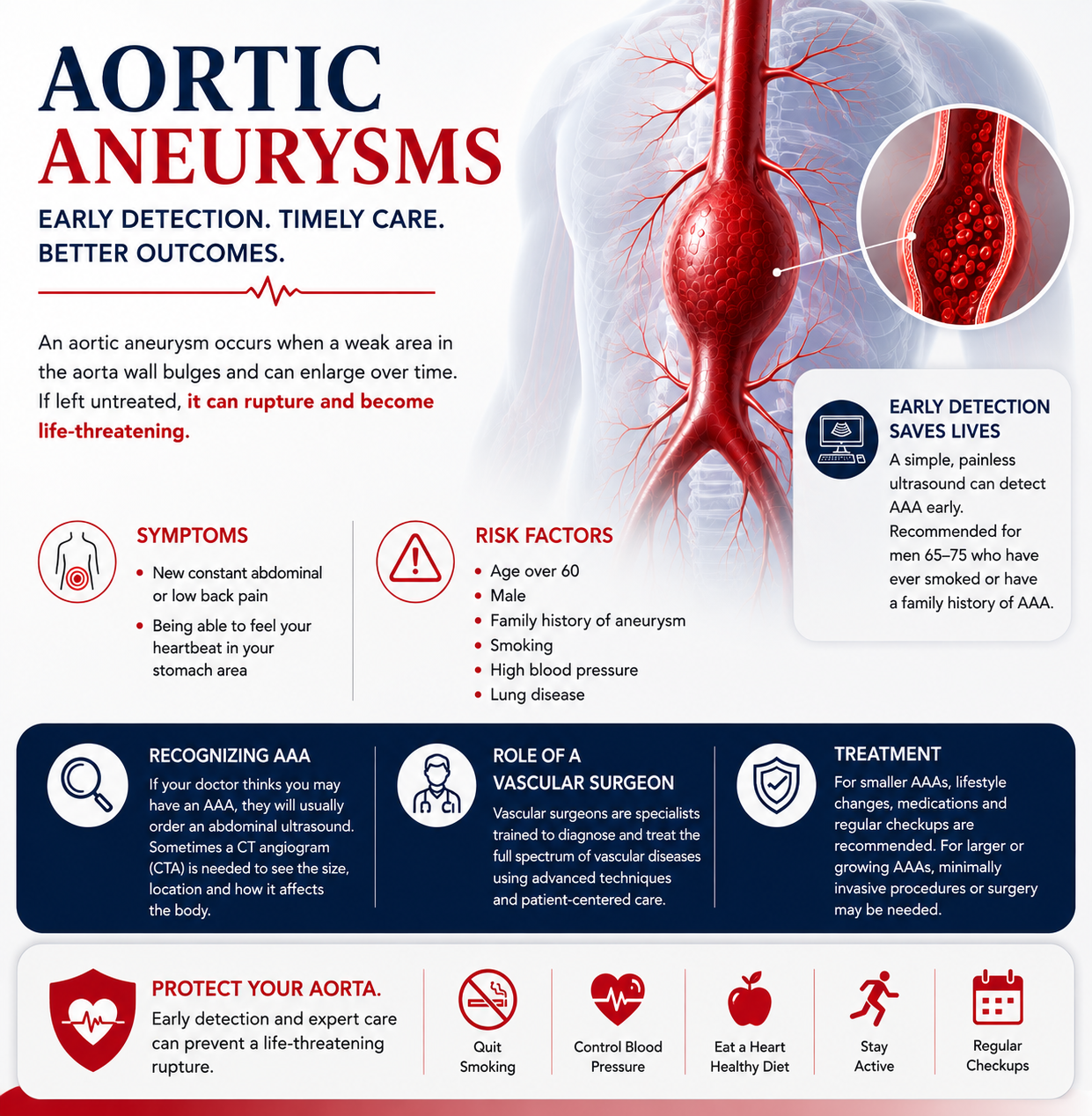
I provide comprehensive care for conditions including peripheral arterial disease (PAD), venous thromboembolism (VTE), aortic aneurysms, vascular trauma, diabetic foot disease, chronic limb-threatening ischemia, and dialysis access-related vascular problems. My training in both open and endovascular vascular surgery enables me to assess patients and select an appropriate treatment strategy based on their vascular anatomy, disease severity, comorbidities, and clinical requirements.


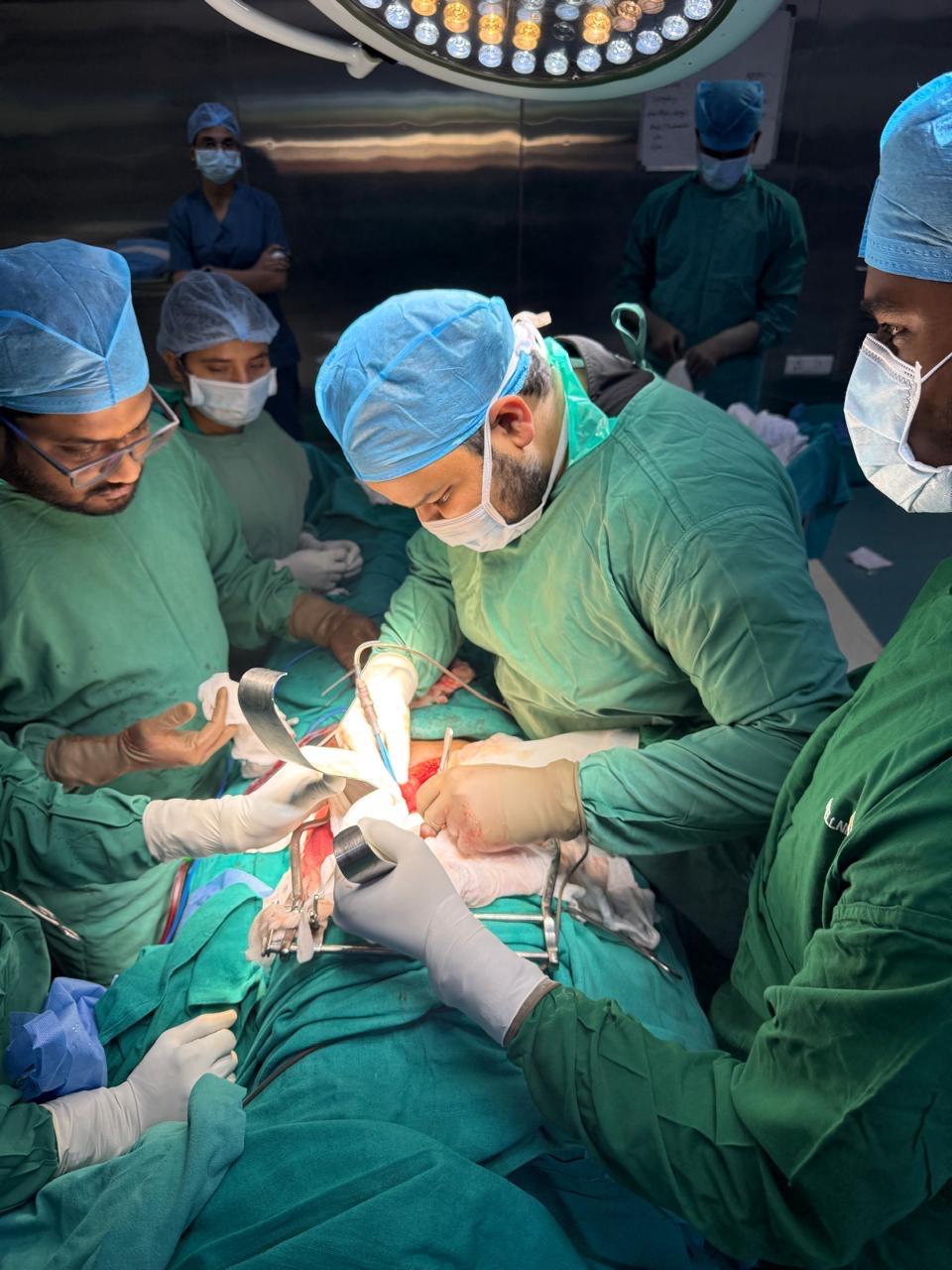
I have expertise in endovascular interventions such as angioplasty, stenting, and atherectomy, along with complex open vascular reconstruction and limb-salvage procedures. I also manage vascular emergencies and perform procedures related to dialysis access, including AV fistula and graft procedures. Vascular imaging, including Doppler ultrasonography and CT angiography, plays an important role in treatment planning.


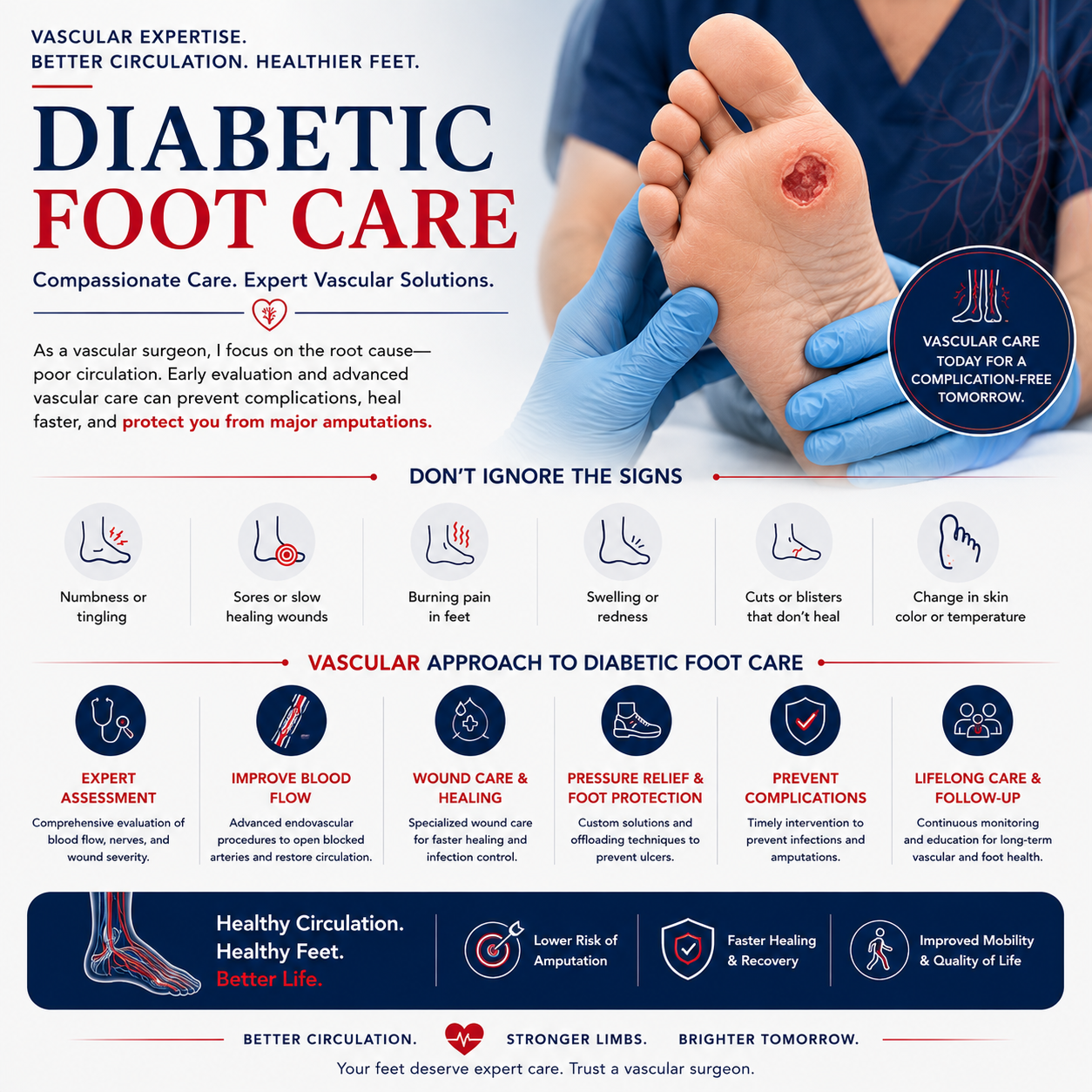
Diabetic foot problems require timely assessment of both infection and blood supply. Early identification of peripheral arterial disease and appropriate revascularization, when indicated, can be important for limb preservation.


My goal is to combine advanced vascular techniques, meticulous surgical care, and multidisciplinary collaboration to provide safe, effective, and patient-centred vascular care.

  • 7+

    Years of Experience

  • 1K+

    Patients With Varicose Vein Treated Successfully

  • 5K+

    Advanced Vascular Surgical Interventions Successfully Done

  • 10K+

    Lives Touched and Beyond

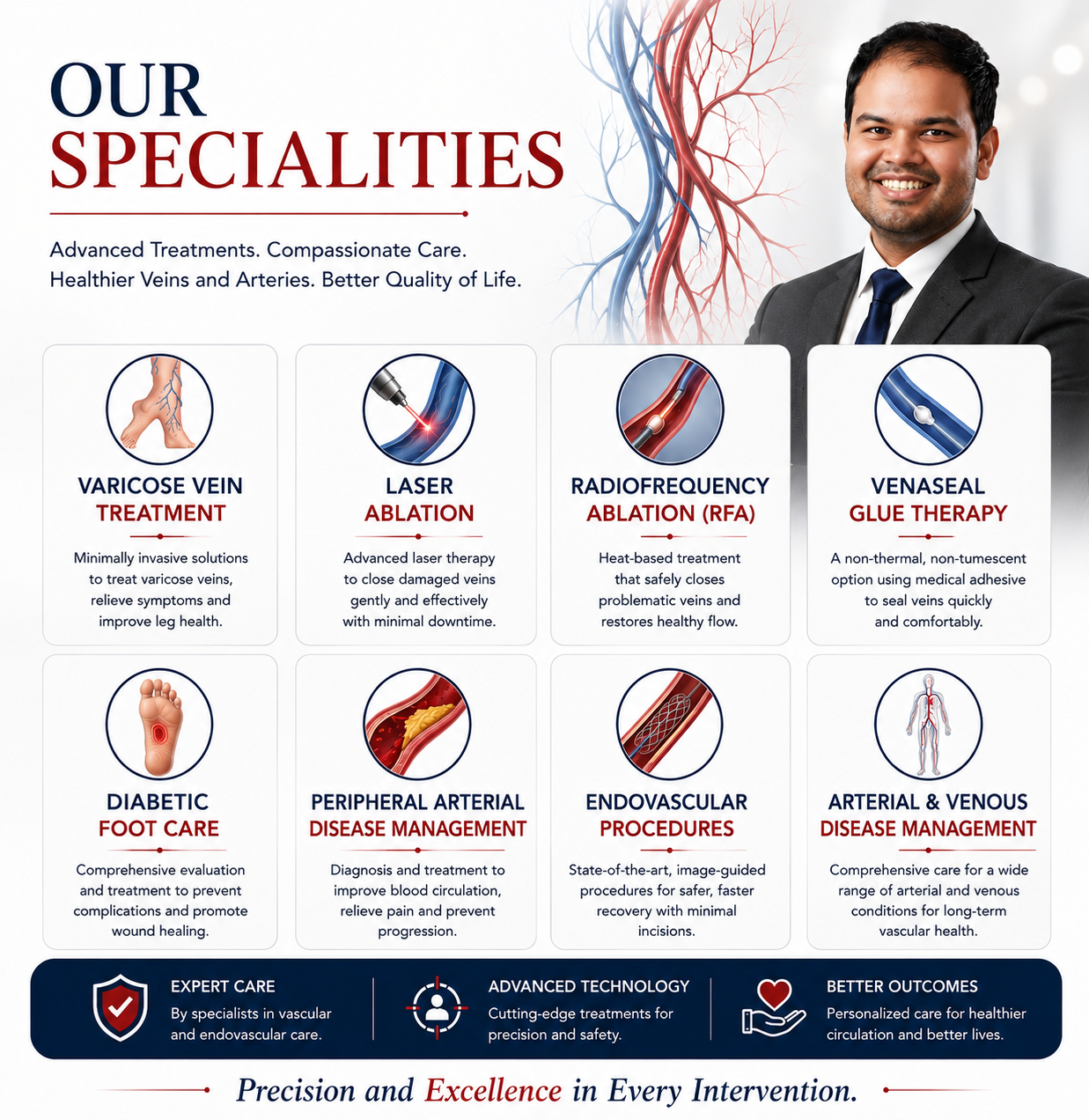
Healthcare Services

Expert Care Across Vascular & Endovascular Specialties

Expert Care Across Vascular & Endovascular Specialties
Varicose Vein Treatment
Expert Care Across Vascular & Endovascular Specialties
Laser Ablation
Expert Care Across Vascular & Endovascular Specialties
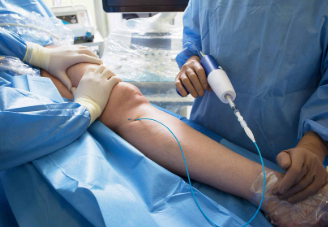
Radiofrequency Ablation (RFA)
Expert Care Across Vascular & Endovascular Specialties
VenaSeal Glue Therapy
Expert Care Across Vascular & Endovascular Specialties
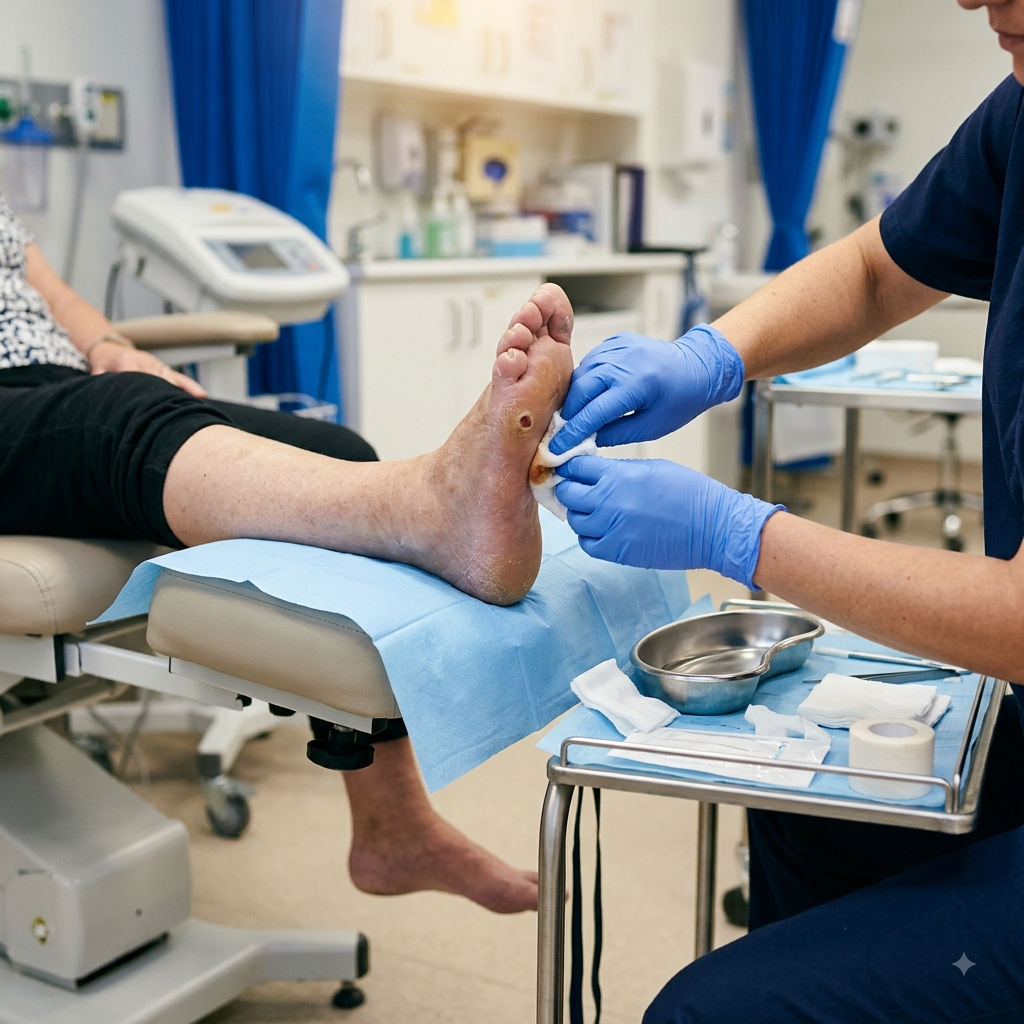
Diabetic Foot Care
Expert Care Across Vascular & Endovascular Specialties
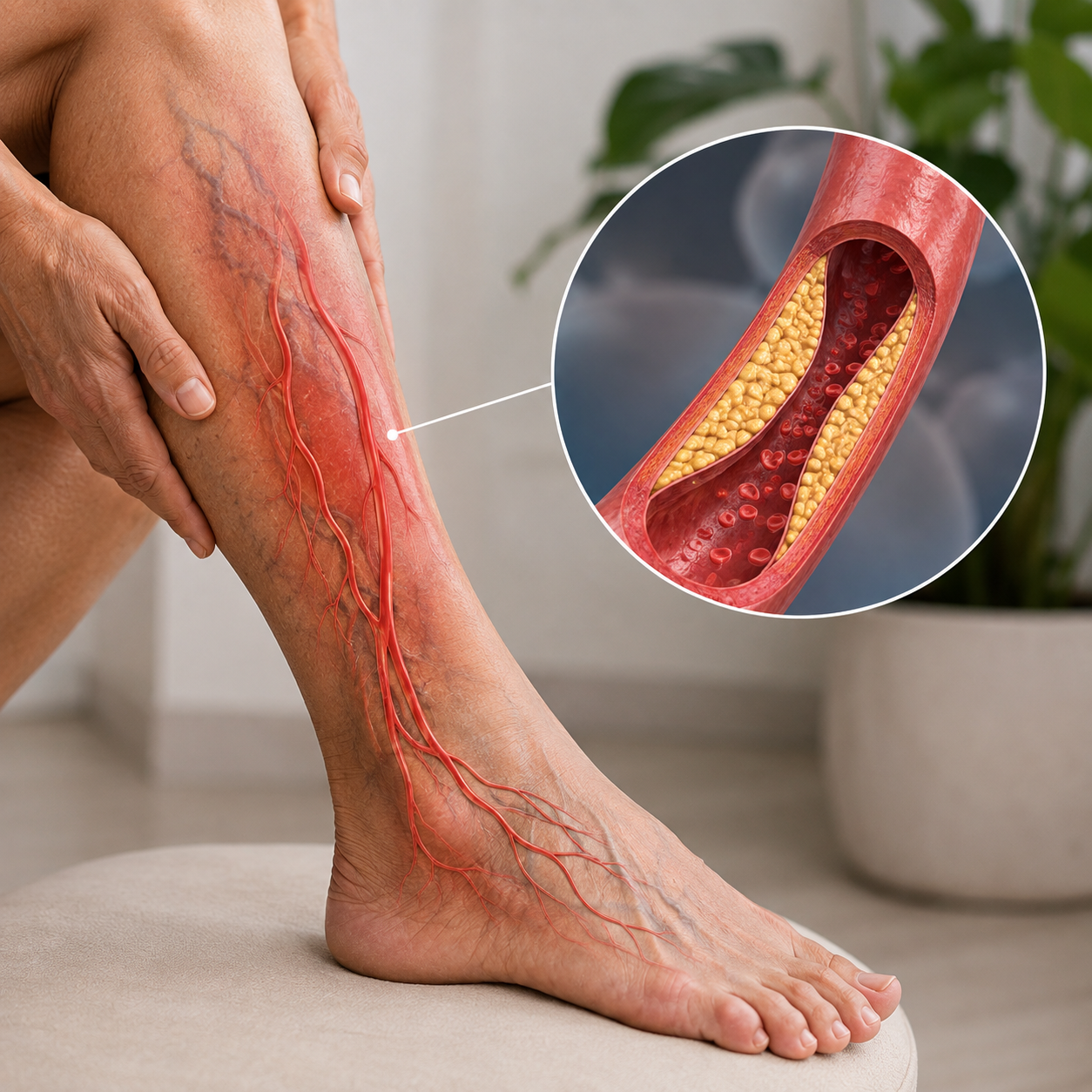
Peripheral Arterial Disease Management
Expert Care Across Vascular & Endovascular Specialties
Endovascular Procedures
Expert Care Across Vascular & Endovascular Specialties
Arterial & Venous Disease Management

Dr. Yarlagadda Venkanna Chowdary

Vascular & Endo Vascular Surgeon, Diabetic Foot Surgeon
Call
Video Call
In person
Dr. Yarlagadda Venkanna Chowdary
Qualification:MBBS, MS (General Surgery), DrNB (Vascular Surgery)
Experience:7.0 Years
Licence No.:TSMC/FMR/42792
Dr. Venkanna Chowdary Yarlagadda is a Consultant Vascular and Endovascular Surgeon at KIMS-Kondapur, Hyderabad, with specialized training in complex arterial and venous interventions. He completed his DrNB in Vascular Surgery at Sir Ganga Ram Hospital, New Delhi, following MS in General Surgery and MBBS. His expertise includes endovascular interventions such as angioplasty, stenting and atherectomy, complex open vascular reconstruction, vascular trauma and emergency care, dialysis access procedures, and limb salvage. He also manages peripheral arterial disease, venous thromboembolism, aortic aneurysms, and diabetic foot conditions. His practice combines evidence-based treatment, advanced vascular techniques, multidisciplinary collaboration, and patient-centred care.

Frequently Asked Questions

Need Answers? Find them here...

A vascular and endovascular surgeon diagnoses and treats disorders affecting the arteries, veins, and vascular system. Common conditions include peripheral arterial disease (PAD), diabetic foot disease, varicose veins, venous thromboembolism, aortic aneurysms, vascular trauma, chronic limb-threatening ischemia, and dialysis access problems. Treatment may involve lifestyle and medical management, minimally invasive endovascular procedures, or open vascular surgery, depending on the underlying condition. A comprehensive vascular assessment helps determine the most appropriate treatment based on symptoms, imaging findings, disease severity, and the patient’s overall health.

Patients with diabetes should seek vascular evaluation when a foot wound, ulcer, discoloration, persistent swelling, unexplained pain, or delayed healing develops. Reduced blood flow caused by peripheral arterial disease can significantly impair wound healing and increase the risk of infection and tissue loss. A vascular specialist evaluates arterial circulation using clinical examination and appropriate imaging, such as Doppler ultrasonography or CT angiography when indicated. Early diagnosis and timely restoration of blood flow, where appropriate, can support wound healing, reduce complications, and improve the possibility of limb preservation.

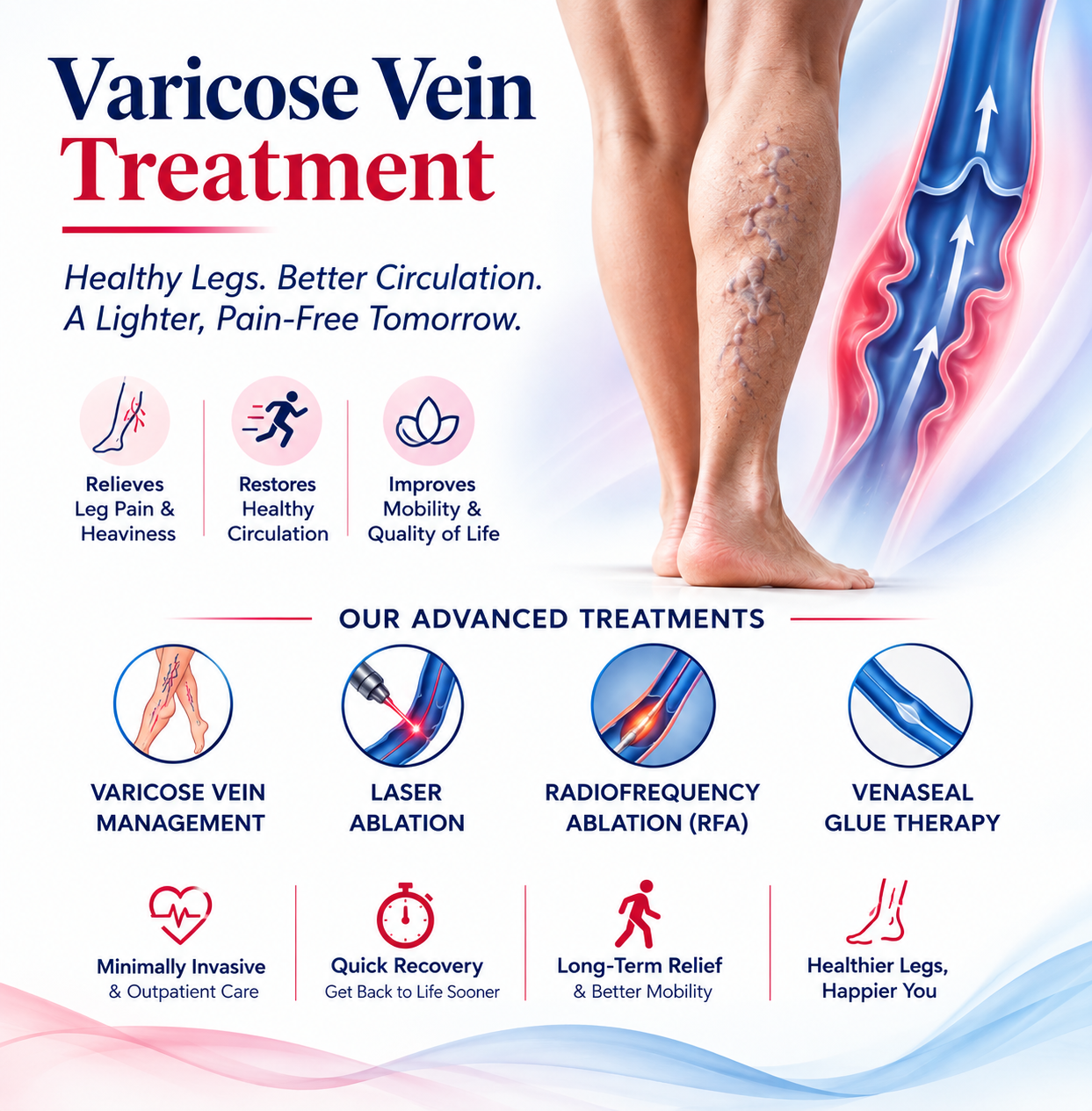
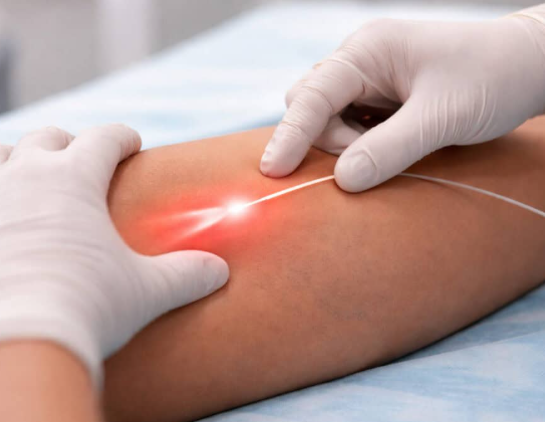
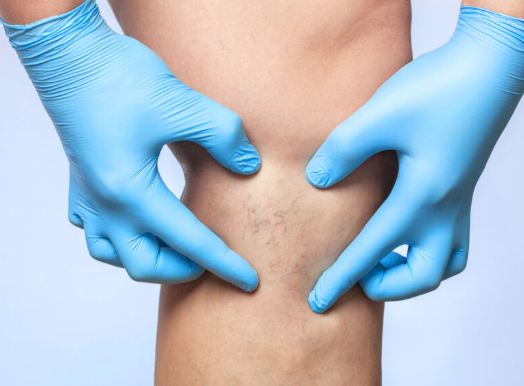
Varicose vein treatment depends on the severity of venous disease, symptoms, ultrasound findings, and the anatomy of the affected veins. Management may include lifestyle measures and compression therapy, while selected patients may benefit from minimally invasive procedures. Techniques such as laser ablation, radiofrequency ablation (RFA), and VenaSeal glue therapy can close incompetent veins and redirect blood through healthier vessels. A detailed venous Doppler assessment is generally performed before intervention to identify reflux and guide treatment planning. The objective is effective symptom control, improved venous function, and long-term clinical outcomes.

Laser ablation, commonly known as endovenous laser therapy, is a minimally invasive treatment for selected varicose veins caused by venous reflux. A thin catheter is introduced into the affected vein under imaging guidance, and controlled laser energy is used to close the incompetent vein. Blood then naturally reroutes through healthier veins. The procedure generally involves small access sites rather than conventional surgical incisions and may offer a relatively comfortable recovery. Suitability depends on venous anatomy, Doppler findings, symptoms, and the overall clinical assessment performed by a vascular specialist.

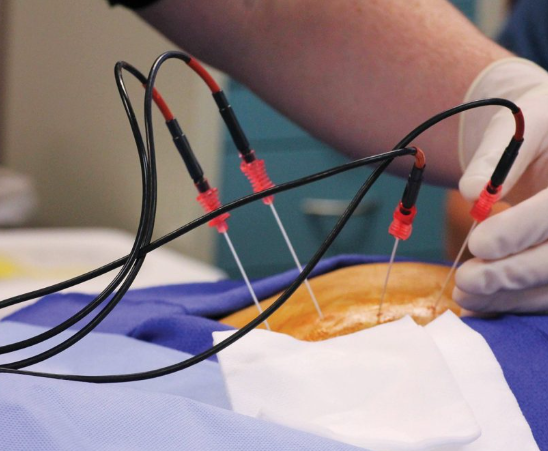
Radiofrequency ablation (RFA) is a minimally invasive technique used to treat selected superficial veins affected by venous reflux. Under ultrasound guidance, a catheter is positioned within the diseased vein, and controlled radiofrequency energy generates heat that causes the vein to close. Circulation is subsequently redirected through functioning veins. RFA is generally performed through a small access point and may allow patients to resume routine activities relatively quickly. Before treatment, a detailed venous Doppler examination is essential to assess reflux, vein anatomy, and whether RFA is clinically appropriate for the individual patient.

VenaSeal is a minimally invasive treatment for selected patients with symptomatic superficial venous reflux. The technique uses a medical adhesive delivered through a catheter to seal the affected vein, allowing blood to redirect through healthier venous pathways. Unlike thermal ablation techniques, VenaSeal does not rely on heat to close the vein. Patient selection requires clinical assessment and venous Doppler imaging to establish the pattern and extent of venous reflux. A vascular specialist can determine whether VenaSeal, another minimally invasive procedure, or conservative management is more appropriate.

Peripheral arterial disease (PAD) occurs when arteries supplying the limbs become narrowed or blocked, commonly because of atherosclerosis. Typical symptoms include leg pain or cramping during walking that improves with rest, reduced walking distance, cold feet, changes in skin colour, numbness, or slow-healing wounds. Advanced disease may cause pain at rest, tissue loss, or chronic limb-threatening ischemia. Evaluation can include vascular examination, ankle-brachial index testing, Doppler ultrasonography, and advanced imaging when necessary. Early diagnosis enables appropriate medical, endovascular, or surgical management and may help protect limb function.

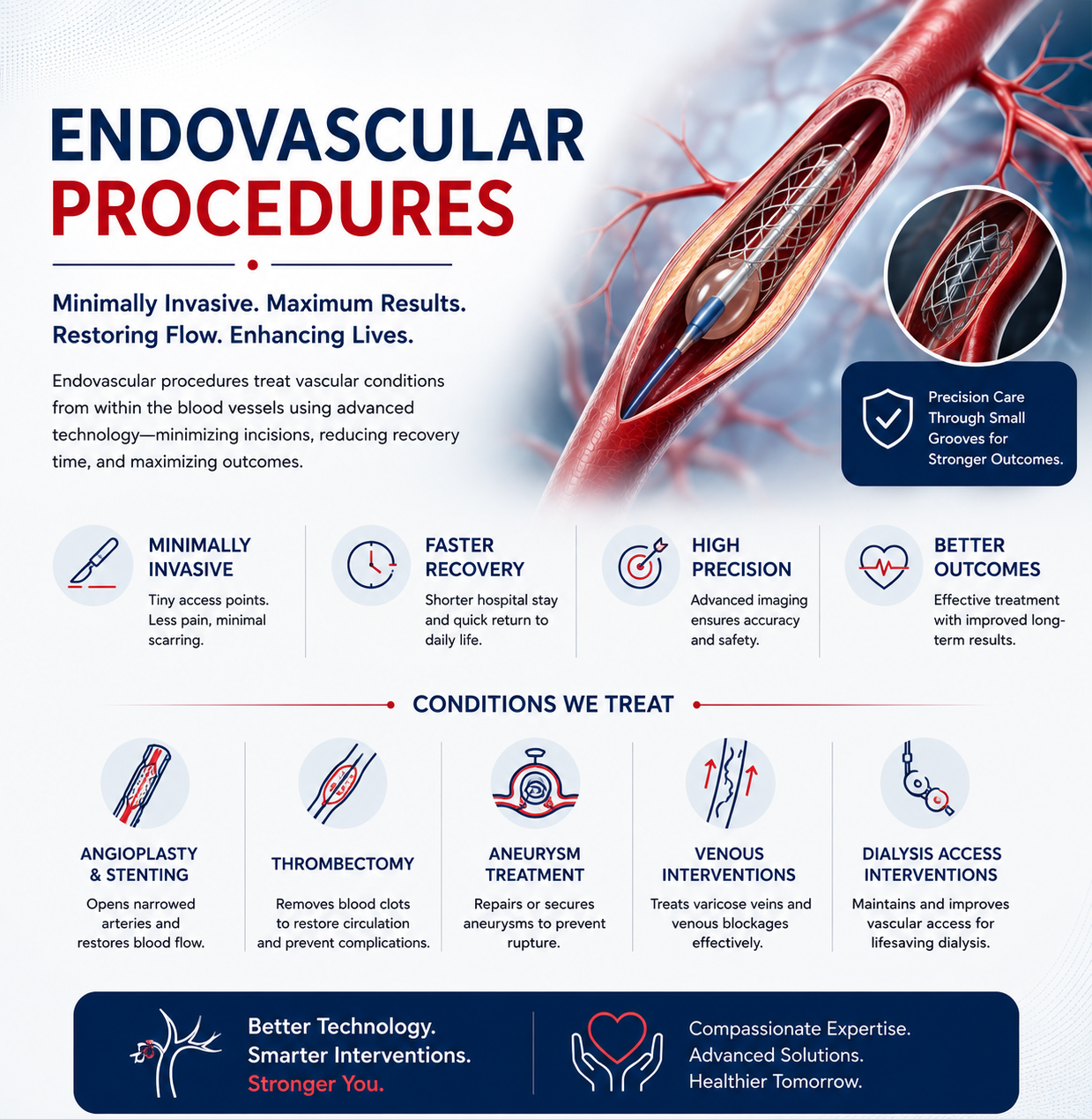
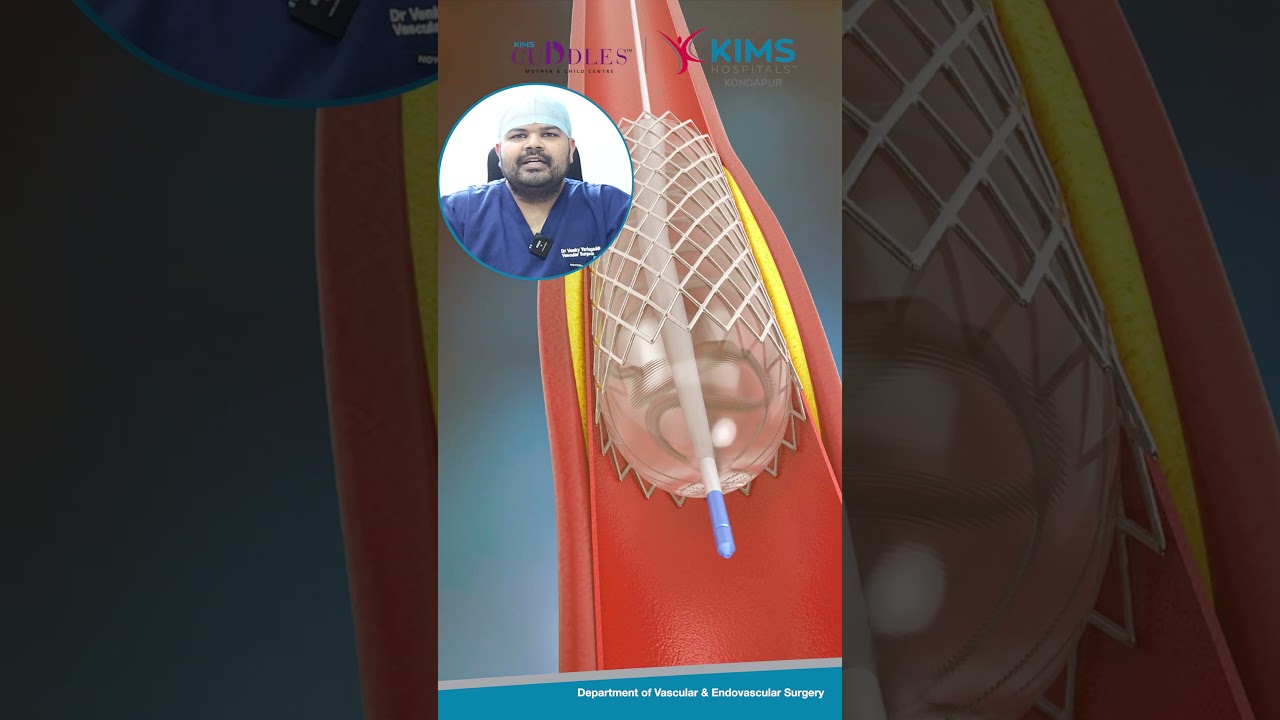
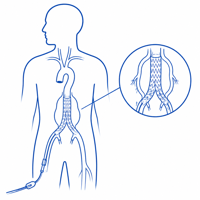
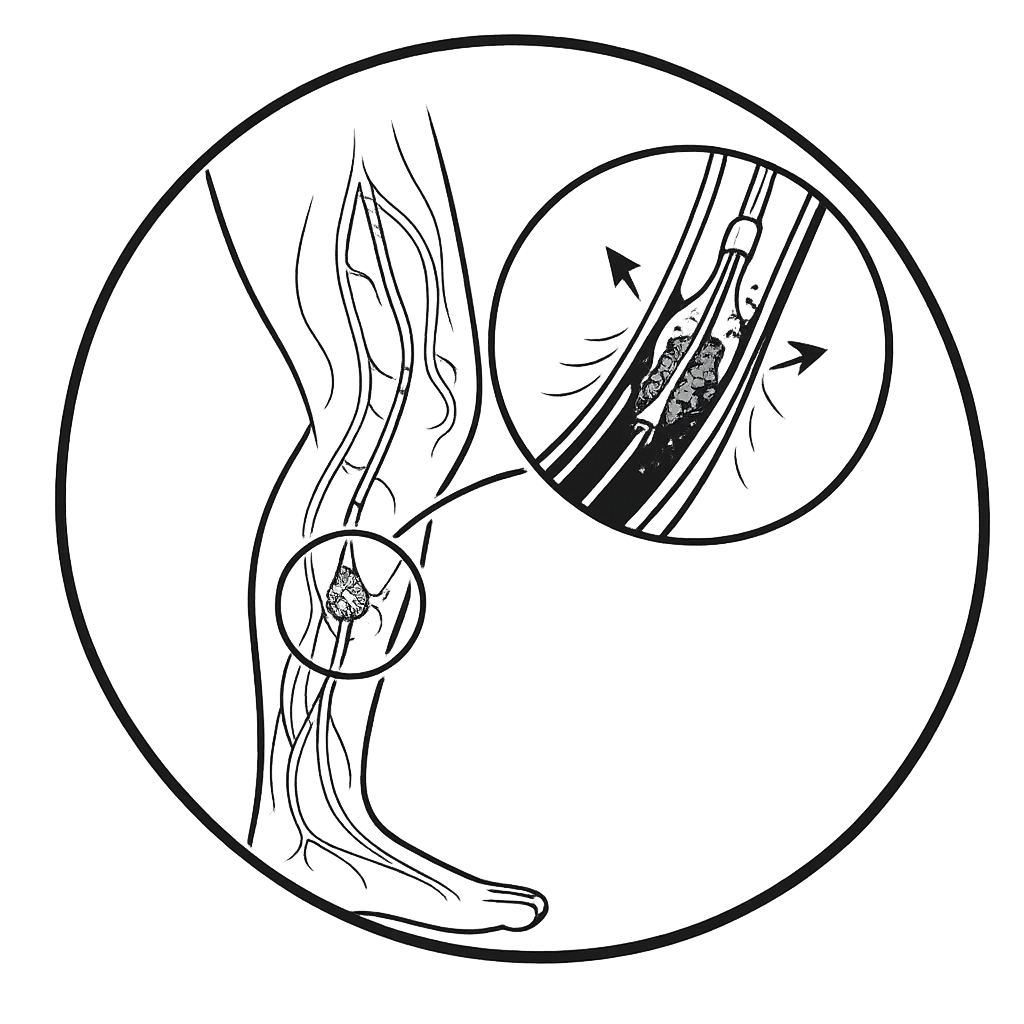
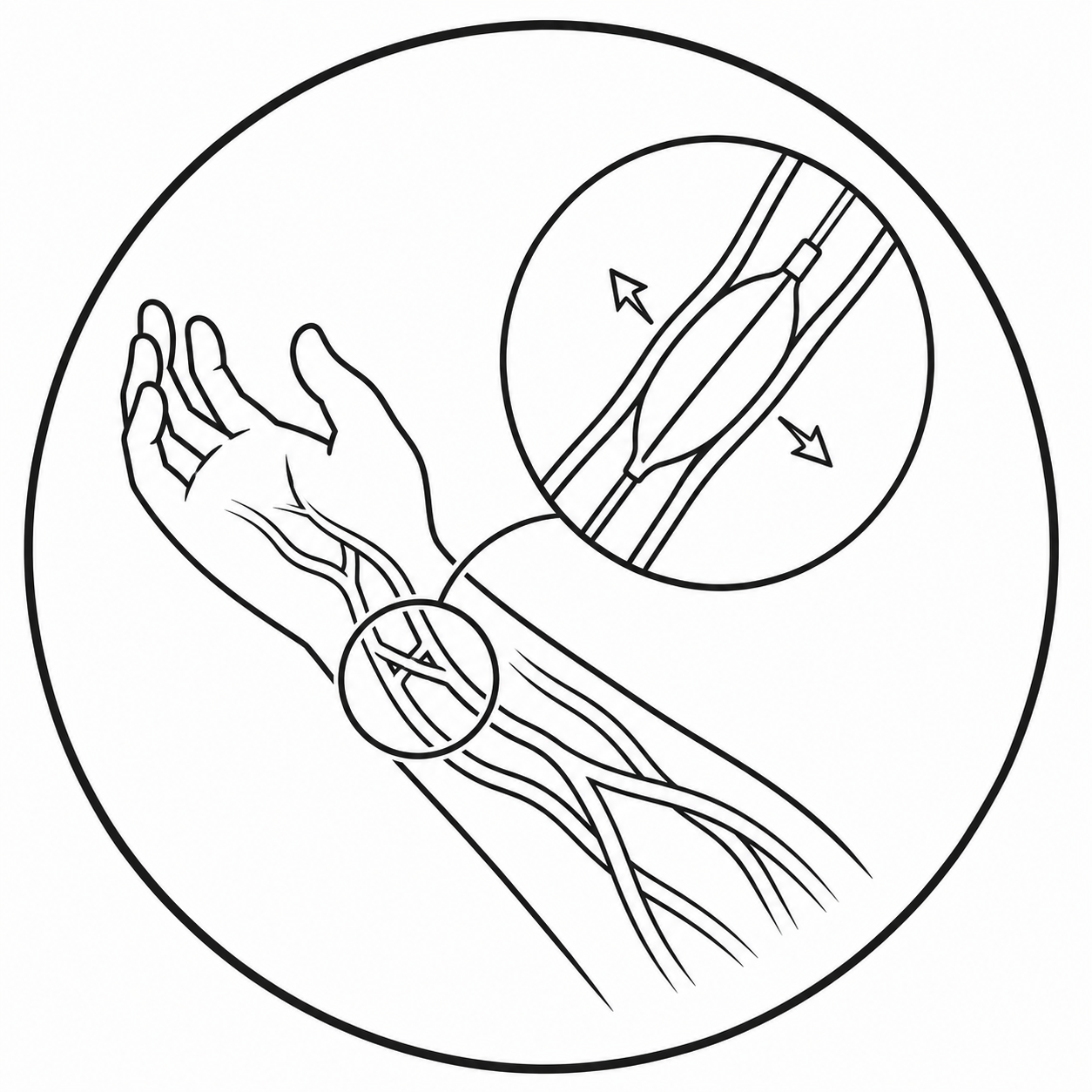
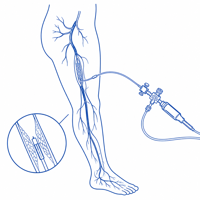
Endovascular procedures treat vascular conditions from within the blood vessels using catheters and image guidance. Depending on the disease, interventions may include angioplasty, stent placement, atherectomy, thrombectomy, embolization, or other catheter-based techniques. These approaches may be considered for selected patients with peripheral arterial disease, vascular narrowing, occlusive disease, aneurysmal conditions, or other complex vascular problems. Compared with conventional open surgery, appropriately selected endovascular procedures may involve smaller access sites and different recovery considerations. Treatment is planned after evaluating vascular anatomy, disease severity, symptoms, and overall patient factors.

Not every patient with peripheral arterial disease requires an intervention. Initial management may include risk-factor modification, appropriate medication, exercise-based therapy, and close clinical monitoring. Revascularization may be considered when symptoms significantly limit daily activities despite optimal treatment, or when there is limb-threatening ischemia, non-healing tissue loss, or severe arterial obstruction. The choice between an endovascular procedure and open reconstruction depends on factors such as lesion location, length and complexity, vascular anatomy, comorbidities, and limb viability. Individualized assessment is essential for achieving durable and clinically appropriate outcomes.

Vascular trauma refers to injury involving an artery or vein, which can occur following accidents, penetrating injuries, fractures, dislocations, or surgical complications. Significant bleeding, an expanding hematoma, absent or reduced pulses, limb pallor or coldness, severe pain, numbness, or sudden weakness may indicate serious vascular injury requiring urgent assessment. Management depends on the vessel involved, extent of injury, circulation to the limb, and associated trauma. Treatment may include emergency open vascular repair, bypass procedures, thrombectomy, or selected endovascular techniques to restore blood flow and control bleeding.

In appropriate patients, timely vascular evaluation can play an important role in reducing the risk of major limb loss. Diabetic foot complications may involve infection, tissue damage, neuropathy, and impaired arterial blood supply. A vascular assessment helps determine whether significant peripheral arterial disease is contributing to poor healing. When clinically indicated, revascularization may restore blood flow and support wound healing as part of multidisciplinary limb-salvage care. Early attention to ulcers, colour changes, persistent pain, infection, or non-healing wounds is important, particularly in patients with established diabetes and vascular risk factors.

Diagnosis begins with a detailed clinical history and vascular examination, including assessment of pulses, skin changes, swelling, wounds, temperature, and symptoms related to circulation. Depending on the suspected condition, investigations may include Doppler ultrasonography, ankle-brachial index measurement, CT angiography, or other vascular imaging. These investigations help define the location, severity, and anatomical characteristics of arterial or venous disease. The findings are considered alongside the patient’s symptoms, medical history, and treatment goals. This comprehensive approach enables the vascular surgeon to develop an individualized and evidence-based management plan.

Location & Location Map

Location
addressAddress

KIMS Hospital, 112/11, Kondapur, Hanuman Nagar, Raghavendra Colony, Kondapur, Serilingampalle (M), Hyderabad 500084, Telangana

  • Social Media Connect:

Working Hours

MONDAYClosed
TUESDAYClosed
WEDNESDAYClosed
THURSDAYClosed
FRIDAYClosed
SATURDAYClosed
SUNDAYClosed

Contact Us

Contact Us

  • Email: venkyvascular@gmail.com
  • Phone: 7893357111

Social Media connect:

Website Powered by icareheal
© Dr. Yarlagadda Venkanna Chowdary 2025